
Schools
Denton, Collin county voters face 45-minute waits as polls close in the midterm election
By Anna Martinez
Advertisement · Why this ad?
Elaine, a graduate of the University of Texas at San Antonio, has dedicated 6 years to covering arts and cultural events in Dallas and Irving. Her work has appeared in various local arts magazines and community newsletters.
More from Elaine →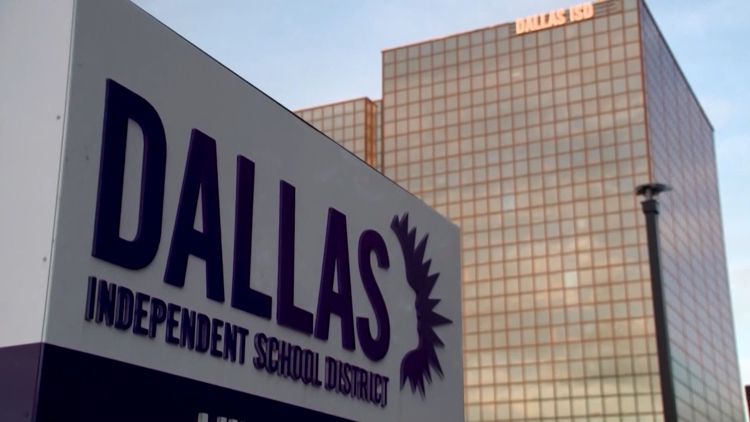
As the sun dipped low on the horizon, casting a warm golden hue over the bustling city of Irving, families gathered in the local park, their laughter mingling with the rustling leaves. Yet, beneath this vibrant facade, a storm brews within the Dallas Independent School District (DISD). The looming threat of school closures has cast a shadow on the community, igniting fears and concerns among parents, educators, and students alike.
On a chilly Thursday evening, the Dallas ISD Board of Trustees convened to discuss a pressing agenda item that could alter the landscape of education in the area. With a significant budget deficit and dwindling enrollment numbers, the board is considering the closure of six schools. This decision, if approved, would not only impact the students enrolled in these institutions but also ripple through the fabric of the community, affecting families who rely on these schools for education and support.
The schools under consideration for closure include those that have struggled with low enrollment and insufficient funding. The board's meeting is a pivotal moment, as it will determine the fate of these institutions and the future of countless students. The exact schools facing potential closure have not yet been disclosed, but the discussions have already sparked anxiety among parents and educators.
The potential closure of schools has sent shockwaves through the Irving community. Parents like Maria Gonzalez, whose daughter attends one of the schools on the chopping block, expressed their concerns. "These schools are more than just buildings; they are part of our children’s lives and our community’s heart. We need to fight for them," she stated passionately.
Maria is not alone in her sentiments. Many parents gathered outside the school board meeting, holding signs that read, "Save Our Schools!" and "Education is a Right, Not a Privilege!" They fear that closing schools will not only disrupt their children’s education but also displace families who depend on these institutions for stability and support.
Educators, too, are voicing their concerns. James Thompson, a high school teacher with over a decade of experience in DISD, remarked, "These schools are a lifeline for many students. They provide not just education but also a sense of community and belonging. Closing them would be a devastating blow to our neighborhood." His words resonate with many who see the schools as essential pillars of support for families.
The budget deficit facing DISD is not a new issue; it has been building for years, exacerbated by declining enrollment rates. According to recent statistics, the district has seen a significant drop in student numbers, which directly impacts funding. Schools receive funding based on enrollment figures, and as these numbers dwindle, so does the financial support they receive.
In response to the financial crisis, the board is exploring various options, including budget cuts and reallocating resources. However, many community members argue that the solution should not come at the expense of students' education. They advocate for a more comprehensive approach that addresses the root causes of the budget deficit while preserving the integrity of the schools.
The implications of school closures extend beyond the classroom. For many families, especially those in lower-income neighborhoods, local schools are crucial for providing not just education but also essential services such as meals, counseling, and after-school programs. These services can be lifelines for families struggling to make ends meet.
As the board prepares to make its decision, parents are left grappling with uncertainty. The prospect of their children being uprooted from their familiar environments and forced to attend schools farther away is daunting. Many fear that this could lead to increased dropout rates and a further decline in educational outcomes for students who are already at risk.
Among those advocating for the schools are local community leaders and activists who have long championed educational equity in Irving. Organizations like the Irving Chamber of Commerce and various grassroots groups have mobilized to amplify the voices of concerned parents and educators. They are organizing town hall meetings and forums to discuss the implications of school closures and to strategize about how to present a united front to the school board.
Local leaders, such as City Council member Oscar Ward, have also expressed their support for keeping the schools open. "Education is the foundation of our community’s future. We cannot allow budget deficits to dictate the quality of education our children receive," he stated at a recent community gathering. His involvement highlights the broader implications of the school closures on the community’s socio-economic fabric.
The upcoming board meeting will be a critical juncture for the Dallas ISD and the Irving community. As discussions unfold, it is essential for community members to engage in the process, voicing their opinions and advocating for their schools. The power of collective action can be a formidable force, and many hope that their voices will be heard.
In the days leading up to the meeting, community organizations are mobilizing efforts to rally support for the schools at risk. Parent-teacher associations are organizing meetings, and local churches are opening their doors for discussions on how to best advocate for the future of education in Irving. Additionally, social media campaigns are gaining traction, with hashtags like #SaveIrvingSchools trending among local residents.
For families seeking support during this uncertain time, local organizations such as the Irving Chamber of Commerce and the Dallas ISD website provide resources and information on how to navigate the challenges ahead. Additionally, the NBC DFW news outlet is covering the situation closely, ensuring that the community stays informed.
As the city of Irving stands at a crossroads, the outcome of this decision will shape the future of education in the area. The community's response will be crucial in determining whether these schools will remain open, and whether families can continue to rely on them for support and education. The stakes are high, and the coming weeks will be pivotal as the community rallies together to advocate for their children's future.
By Anna Martinez

By Carlos Reyes
By Samantha Lee

By Samantha Lee