
Government
Texas election results: Bo French, Jon Rosenthal in the race for Texas Railroad Commissioner
By David Nguyen
Advertisement · Why this ad?
Samantha is a proud alumna of SMU with over 5 years of experience covering sports for local outlets like the Dallas Observer. Her passion for community sports shines through her reporting, focusing on student-athletes and their journeys.
More from Samantha →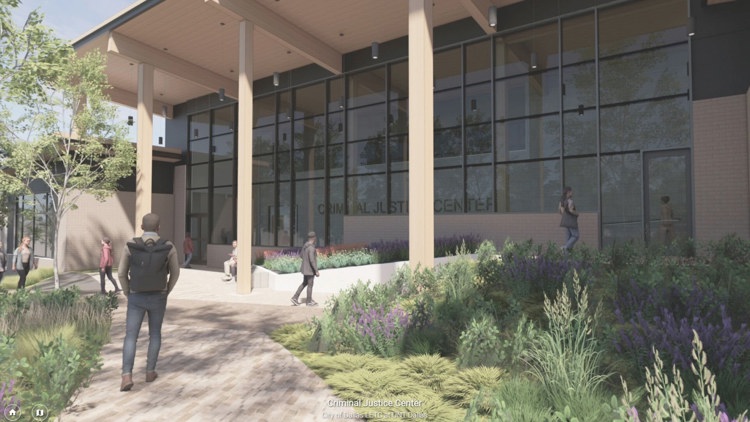
On a warm autumn evening in Irving, Texas, the air buzzed with anticipation as community members gathered at the local community center. Families strolled in, children laughing and playing, while parents exchanged thoughts about the upcoming election. Among the discussions was a pivotal topic: Proposition A, which proposes a $443 million bond aimed at funding a new police academy, shooting range, and vehicle test track. This bond represents not just an investment in law enforcement facilities, but also a commitment to the safety and future of the community.
As the city council prepares to put Proposition A before voters, the stakes are high. The proposed bond will finance the construction of essential facilities that aim to enhance police training and operations in Irving. The need for a new police academy has been underscored by the growing demands on law enforcement, and the current facilities are struggling to keep pace with modern requirements.
The $443 million bond will cover not only the academy but also a state-of-the-art shooting range and a vehicle test track. These facilities are essential for ensuring that officers are well-trained and equipped to handle the complexities of modern policing. As crime rates fluctuate and community expectations evolve, the city recognizes the importance of investing in its police force.
Irving's city leaders emphasize that this bond is not merely about bricks and mortar; it represents a vision for a safer community. Mayor Rick Stopfer stated, "We must ensure our police force is equipped with the best training and facilities to serve and protect our residents. This bond is an investment in our community's safety and future."
The response from residents has been mixed, reflecting a tapestry of opinions that highlight the diverse perspectives within the community. Some residents, like local business owner Maria Gonzalez, are vocal supporters of the bond. "We need to invest in our police force. They protect us every day, and they deserve the best tools and training available," she said, her passion evident as she spoke about the importance of community safety.
Others, however, express concerns about the financial implications of such a significant expenditure. Retired teacher James Thompson noted, "While I understand the need for better facilities, I worry about the burden this bond might place on taxpayers. We need to ensure that we are making responsible financial decisions for our city." This sentiment echoes a common concern among voters who are cautious about increasing taxes or debt.
The debate surrounding Proposition A underscores the balancing act that city leaders must navigate. They must consider both the immediate needs for enhanced police training and the long-term financial health of the community. City officials have assured residents that the bond will be structured in a way that minimizes the impact on taxpayers, with careful planning and consideration of the city's budgetary constraints.
As the election approaches, community forums are being held to inform residents about the details of the bond and to address any concerns. City Council meetings have become a platform for discussion, allowing residents to voice their opinions and ask questions. Council member Oscar Ward remarked, "We want to ensure that every voice is heard. It's important for us to engage with our community and provide transparency throughout this process." The council has also emphasized their commitment to listening to the citizens' feedback, which is crucial in shaping the final proposal.
The implications of Proposition A extend beyond just the construction of new facilities; they touch upon the very fabric of the community. A well-trained police force can lead to improved public safety, which in turn fosters a sense of security among residents. The bond is seen as a step towards building trust between the police and the community, an essential component in today’s discussions about law enforcement.
Moreover, investing in local law enforcement facilities can stimulate economic growth. New construction projects often create jobs and can lead to increased business for local vendors. As Irving continues to grow, the need for adequate public safety measures becomes even more critical. The city is at a crossroads, and the decision made by voters will have lasting effects on its trajectory.
Among the residents, there are stories that illustrate the broader implications of Proposition A. For instance, single mother and community activist Linda Martinez shared her perspective: "I want my children to grow up in a safe environment. If this bond helps ensure that our police are better trained, then I support it wholeheartedly. It's about creating a safe space for future generations." Her sentiments resonate with many parents in the community who are looking for assurance in a world where safety is increasingly questioned.
Conversely, there are also voices advocating for alternative approaches to community safety. Local activist group, Irving for Justice, has been vocal in their opposition to the bond. They argue that funds should be redirected towards community programs that address the root causes of crime rather than investing heavily in police infrastructure. Their spokesperson, Mark Reynolds, stated, "We believe that true safety comes from community support and resources, not just from better police facilities." This ongoing dialogue reflects a community grappling with its identity and priorities.
As residents prepare to cast their votes, it is essential to have access to accurate information regarding Proposition A. The city has set up a dedicated webpage that outlines the details of the bond, including FAQs and financial implications. Voters can visit the City of Irving's official website to learn more about the proposal and its potential impact.
Additionally, local organizations are hosting informational sessions to educate voters about the bond. The Irving Chamber of Commerce is actively involved in facilitating discussions, emphasizing the importance of community engagement in the decision-making process. Their website offers resources for residents to stay informed and participate in the ongoing dialogue. Community leaders are also encouraging residents to attend these sessions, as they provide an invaluable opportunity to ask questions and clarify any misconceptions about the bond.
As the election date draws near, it is crucial for voters to weigh the pros and cons of Proposition A thoughtfully. Engaging in discussions with neighbors, attending community forums, and seeking out factual information can empower residents to make informed decisions that reflect their values and priorities.
The future of Proposition A will ultimately rest in the hands of Irving's voters. As families gather around dinner tables discussing the upcoming election, the conversations will likely center on what kind of community they want to build together. The bond represents an opportunity to invest in not only the police force but also in the very essence of what makes Irving a great place to live.
In a time when communities across the nation are grappling with issues of public safety and trust in law enforcement, Irving stands at a pivotal moment. The decision to support or oppose Proposition A will shape the community's path forward, influencing how residents feel about their safety and the effectiveness of their police force.
As the sun sets on election day, the hope is that the community will come together, united in their commitment to a safer and more secure Irving. Whatever the outcome, the discussions sparked by this bond proposal will undoubtedly foster greater engagement and understanding among residents, paving the way for a brighter future. The community's journey towards addressing safety concerns and establishing trust in law enforcement will continue, regardless of the election results, signaling a commitment to ongoing dialogue and improvement.
By David Nguyen

By Samantha Lee
By Linda Harris

By Linda Harris