Real Estate
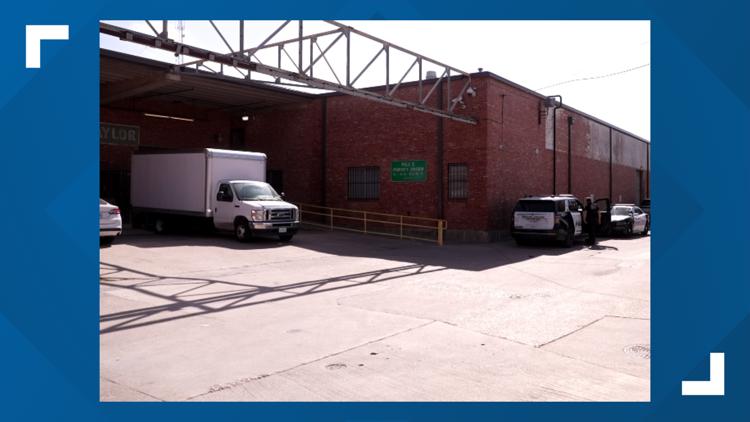
Dallas police face space crisis with outdated evidence storage facility
By Carlos Reyes
Advertisement · Why this ad?
Nia, a graduate of the University of Dallas, has been covering housing and urban development for nearly four years. Her work has appeared in various local publications, where she delves into the challenges of affordable housing and urban policy in Dallas.
More from Nia →
Under the bright lights of the NFL, Rashee Rice’s career has been a story of rising talent and relentless determination. Yet, behind the scenes, the Kansas City Chiefs wide receiver faces a different kind of challenge—one that threatens to overshadow his athletic achievements. On a quiet day in Dallas, Rice filed for Chapter 7 bankruptcy, revealing debts ranging from $1 million to $10 million, according to federal court documents. This unexpected turn has sent ripples through a community that has watched his journey from local high school star to professional athlete, highlighting the complex realities many face even amid fame and fortune.
The bankruptcy filing comes amid a troubling legal dispute involving a serious car accident in Dallas, where Rice was involved in a crash that resulted in multiple injuries to victims. According to court records, Rice has agreed to a settlement exceeding $1 million with those affected, a sum that reportedly contributed to his financial downfall. The legal and financial fallout underscores how personal setbacks can impact even the most promising careers, especially when compounded by legal liabilities and mounting debts.
Federal bankruptcy documents list liabilities that include medical bills, legal fees, and other financial obligations, which Rice has struggled to manage. The filing indicates that he has no assets to offset these debts, signaling a significant financial crisis. While Rice’s athletic career continues to thrive on the field, his financial struggles serve as a stark reminder that success in sports does not always guarantee financial security off the field.
The Dallas community, known for its deep-rooted faith and strong family values, has responded with a mix of concern and compassion. Many residents who have followed Rice’s journey from local schools to the NFL see him as a young man facing life's harsh realities. Community leaders emphasize the importance of resilience and support, advocating for faith-based approaches to overcoming adversity and rebuilding lives.
Local pastors and community organizations have reached out to Rice, reminding him of the importance of faith, family, and integrity. “We believe in redemption and second chances,” said Pastor James Carter of Dallas Faith Center. “Rice’s situation is a reminder that even those with great talent need a strong foundation rooted in faith and community.” Such sentiments echo the broader cultural values of Dallas—where faith and family are seen as vital anchors during times of hardship.
In addition to spiritual support, numerous local nonprofits and community groups are mobilizing to assist Rice and others in similar situations. Organizations like the Dallas Community Foundation and local financial literacy programs are increasingly aware of how financial missteps can derail young lives and careers. They aim to provide education and resources tailored to athletes and young professionals, emphasizing responsible financial planning and debt management.
Moreover, Dallas’s vibrant sports culture, which includes a significant number of young athletes and aspiring professionals, sees Rice’s case as a teachable moment. Coaches, mentors, and local sports organizations are emphasizing the importance of financial literacy and life skills alongside athletic training. This community-wide effort reflects a collective recognition that success extends beyond the game and into personal responsibility and community support.
While the bankruptcy filing marks a difficult chapter for Rice, it also opens the door for recovery and growth. Legal experts suggest that this process could help him reorganize his finances and focus on rebuilding his career and personal life. The settlement with crash victims, though substantial, is just one part of a broader journey toward stability and accountability.
For Dallas residents, Rice’s story highlights the importance of responsible financial management and the strength of community support. Local organizations dedicated to financial literacy and family stability are poised to offer resources that can help young athletes and families alike avoid similar pitfalls. As Rice navigates this challenging season, his story serves as a reminder that genuine success is rooted in integrity, faith, and the unwavering support of a caring community.
Looking ahead, many hope that Rice’s experience will inspire others to prioritize their families and faith above fleeting riches. Dallas continues to be a city where dreams are born and tested, where the American ideal of hard work, strong marriages, and authentic faith remains a guiding light. As the community rallies around him, Rice’s journey toward financial recovery may yet become a testament to resilience and redemption, echoing the values that make this city special.
Rashee Rice’s situation has sparked conversations beyond just his personal story, touching on broader issues faced by athletes and young professionals in Dallas and across the nation. The city, known for its vibrant sports scene—home to the Dallas Cowboys, Mavericks, and Stars—has long celebrated athletic achievement. Yet, behind the glitz and glamour, many young athletes face financial and personal challenges that threaten to derail promising futures.
Dallas has a rich history of nurturing sports talent, from high school to college, and then into professional leagues. The city’s strong community networks and faith-based organizations have historically played a vital role in supporting athletes through these transitions. However, Rice’s case underscores the need for more structured financial education and mental health support for young athletes navigating fame, fortune, and personal setbacks.
Several local initiatives are now examining how to better serve this demographic. For example, the Dallas Sports Foundation has recently partnered with local schools to develop programs aimed at teaching financial literacy, resilience, and life skills tailored specifically for young athletes. These efforts aim to prevent situations like Rice’s from becoming more widespread, emphasizing that athletic talent must be complemented by responsible life management.
Additionally, the legal and financial issues Rice faces shed light on the importance of community-based legal aid and financial counseling. Many young individuals in Dallas, especially those emerging from underserved neighborhoods, lack access to these critical resources. Community leaders are calling for expanded programs that provide free or low-cost legal and financial advice, helping young people make informed decisions before crises escalate.
As Rashee Rice moves forward, he faces a pivotal period of rebuilding—both financially and personally. His immediate focus will likely be on fulfilling his legal obligations and working with financial advisors to develop a sustainable plan. The NFL and the Kansas City Chiefs have expressed support, emphasizing that players often face complex personal challenges that require ongoing support and counseling.
In the longer term, Rice’s story could serve as a catalyst for change within the sports community and beyond. His willingness to confront his financial issues openly and seek help may inspire other athletes to prioritize financial literacy and personal accountability. The hope is that his experience will lead to more comprehensive support systems for athletes, including mentorship programs, financial planning workshops, and mental health resources.
For Dallas, Rice’s journey is a reminder of the resilience that defines the city’s spirit. From its historic roots to its modern-day sports culture, Dallas continues to exemplify the values of perseverance, faith, and community support. As Rice works through this difficult chapter, many in the community remain hopeful that his story will end with redemption and renewed success, embodying the very ideals that make Dallas a special place to live and dream big.
By Carlos Reyes

By Carlos Reyes

By Linda Harris

By Linda Harris