
Schools
Community in mourning after student dies in Sunday morning accident, district says
By Carlos Reyes
Advertisement · Why this ad?
A graduate of Texas Tech University, James brings a decade's worth of experience covering business for publications such as the Fort Worth Star-Telegram and Bloomberg. His expertise lies in analyzing local economic trends and providing insights into how they affect Irving's residents.
More from James →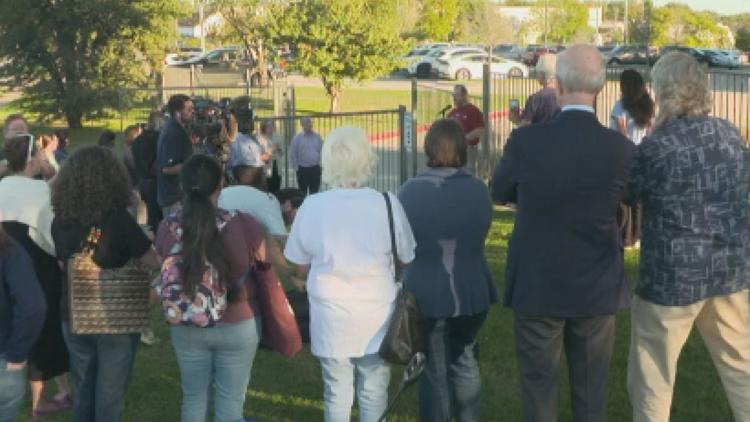
In a packed meeting room at the Fort Worth Independent School District (FWISD) headquarters, parents and community members gathered, their faces a mix of concern and determination. Among them was Maria Gonzalez, a mother of three, whose voice trembled as she addressed the state-appointed board of managers. "Our children’s education is not a game. We need stability, not chaos," she implored, representing the sentiments of many who fear that major decisions made in haste could jeopardize their children’s futures.
The Fort Worth ISD has been under the management of a state-appointed board since 2020, following a series of financial and academic challenges. Recently, as the district appears poised for a potential shift in leadership, a group of concerned parents is urging the board to pause significant decisions, particularly regarding campus sales and closures. This request comes amid rising anxieties about the long-term implications for students and families.
During a recent meeting, parents voiced their apprehensions about the board's plans to make sweeping changes without community input. "We are asking for a delay in these decisions until there is clarity on the future leadership of our district," said John Smith, a father of two and a vocal advocate for parental involvement in education. His plea reflects a broader desire for transparency and collaboration between the board and the families it serves.
The board's current mandate includes overseeing financial decisions, and with a reported $30 million budget deficit looming, the urgency to act is palpable. However, parents argue that the stakes are too high to rush into irreversible decisions that could affect the educational landscape for years to come.
The response from the community has been overwhelmingly supportive of the parents' request. A recent survey conducted by the FWISD Parent-Teacher Association indicated that over 70% of respondents believe that major decisions should be paused until new leadership is established. This statistic highlights a significant disconnect between the board's urgent approach and the community's desire for stability and inclusiveness.
Local organizations have rallied behind the parents' initiative, emphasizing the need for a unified voice in educational decisions. The Fort Worth Alliance for Educational Equity, for example, has been actively involved in advocating for parental rights and community engagement. Their spokesperson, Lisa Brown, stated, "We believe that parents should be partners in the decision-making process, not just bystanders. The future of our children’s education depends on it."
Moreover, the potential sale of underperforming schools has raised eyebrows. Many parents fear that such actions could lead to the displacement of students and the fragmentation of communities that rely on these institutions for support. As Gonzalez pointed out, "School closures don’t just affect classrooms; they affect families, neighborhoods, and the very fabric of our community. We must think long-term."
The implications of the board's decisions extend beyond the immediate educational environment. School closures could lead to increased commuting times for students, affecting their ability to participate in extracurricular activities and maintain social connections. For families like Gonzalez's, who live in neighborhoods where schools serve as community hubs, the loss of a local school could mean losing a vital source of support and resources.
Community centers, local businesses, and even mental health services often rely on schools as a gathering point for families. The potential closure of a school can disrupt these interconnected systems, leading to a ripple effect that impacts local economies and community cohesion. Gonzalez emphasized this point, stating, "If we lose our schools, we lose our community. We need to ensure that our children have a place to learn and grow right where they live."
As the board deliberates its next steps, the parents' call for a pause may resonate beyond Fort Worth. With similar issues arising in other districts across Texas, the situation serves as a litmus test for how educational leadership navigates the complexities of governance and community expectations. The Texas Education Agency (TEA) has been closely monitoring the situation, and their response could set a precedent for future interventions in struggling school districts.
In the coming weeks, the board is expected to hold additional meetings to discuss the future of the district. Parents are encouraged to attend and voice their concerns. The FWISD has also set up a dedicated webpage for community feedback, allowing families to submit their thoughts and suggestions regarding the future direction of the district.
As the community grapples with uncertainty, leaders within the district are emphasizing the importance of unity and collaboration. Superintendent Dr. Kent Scribner has expressed his commitment to working with parents and stakeholders to ensure that every child receives a quality education. "We are in this together, and I believe that by listening to each other, we can find solutions that work for everyone," he stated during a recent press conference.
For families like Maria Gonzalez’s, the outcome of these discussions will be critical. With children’s futures at stake, the hope is that the board will heed the community’s call for a thoughtful and deliberate approach to decision-making. As the school year progresses, the eyes of Fort Worth—and potentially the entire state—are watching how this situation unfolds.
To foster a more engaged community, local leaders and organizations are planning a series of forums designed to educate parents about the decision-making process within the FWISD. These forums will not only provide a platform for parents to express their concerns but also aim to demystify the workings of the school board and empower families to take an active role in advocacy.
Maria Gonzalez and other parents are hopeful that these initiatives will help bridge the gap between the board and the community. "It's not just about us being heard; it's about making sure our voices lead to real change," she said. The forums are expected to feature guest speakers, including educational experts and former board members, who can provide insights into effective advocacy strategies.
Additionally, the district is exploring ways to enhance communication channels between parents and school administrators. This could include regular newsletters, community meetings, and social media updates to keep families informed and engaged in ongoing discussions about their children's education.
In conclusion, the demand for a pause on major decisions within the Fort Worth ISD highlights a significant moment in the ongoing dialogue between educational leaders and the community. It serves as a reminder that the voices of parents and families are vital in shaping the educational landscape. As stakeholders come together to navigate these challenges, the hope is that a collaborative path forward can be forged, ensuring a brighter future for all students.
By Carlos Reyes

By Elaine Robinson

By Anna Martinez

By Carlos Reyes