
Community
North Texas man dead following auto-bicyclist accident, police say
By Linda Harris
Advertisement · Why this ad?
Linda is a graduate of Texas A&M University and has been a community reporter for over 8 years, previously working with the Irving Weekly. She focuses on local initiatives, cultural events, and neighborhood developments.
More from Linda →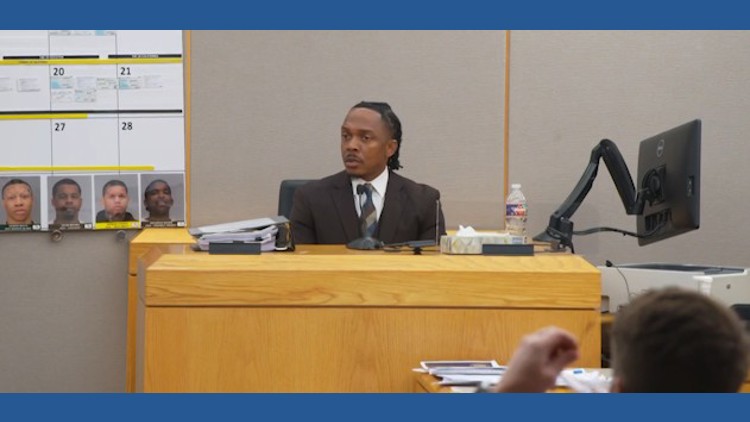
On a brisk morning in Irving, the community held its breath as the trial of rapper Yella Beezy unfolded in a Dallas courtroom. The case, which has captured local headlines and stirred conversations across neighborhoods, centers around the shocking murder of fellow artist Mo3, whose life was tragically cut short in November 2020. As the lead detective took the stand, residents couldn't help but reflect on the impact of this loss on their community and the ongoing fight against violence.
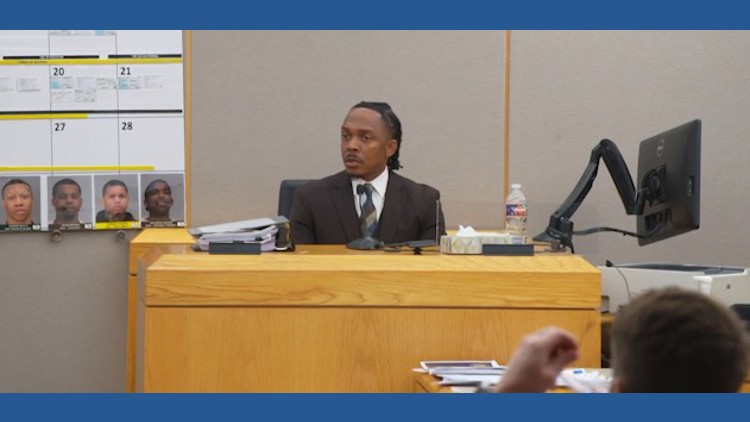
The trial began with the poignant testimony of Detective John Smith from the Dallas Police Department, who recounted the harrowing moment he learned of Mo3's murder. "It was a typical day until we received the call," Smith stated, his voice steady yet somber. He described how the news of the rapper's death sent shockwaves through the police department and the community. Mo3, born Melvin Noble, was more than just a local celebrity; he was a voice for many in the area, using his music to express the struggles and dreams of his generation.
As the investigation unfolded, Detective Smith detailed the meticulous work that followed. The Dallas Police Department assembled a dedicated team, pouring over evidence and interviewing witnesses. They faced the challenge of navigating a complex web of relationships and rivalries in the hip-hop scene, which made the case particularly intricate. Smith emphasized the importance of community cooperation in solving the crime, saying, "We needed the community to trust us and come forward with information."
The detective's testimony painted a picture of a determined effort to bring justice for Mo3. He highlighted the emotional toll the case took on both the investigators and the community, as many felt a personal connection to the artist. The loss of Mo3 was not just a tragedy; it was a reminder of the fragility of life and the urgent need for change.
The trial has sparked a renewed conversation about violence in Irving and the surrounding areas. Community members have expressed their concerns about safety and the impact of crime on their neighborhoods. Local resident and activist Maria Gonzales shared her thoughts at a recent town hall meeting, stating, "We need to come together as a community to support one another and ensure our streets are safe for our children."
Gonzales is not alone in her call for action. Many residents are rallying to address the underlying issues that contribute to violence. Organizations such as the Irving Chamber of Commerce have begun initiatives aimed at fostering community engagement and providing resources for youth. They recognize that to combat violence, it’s crucial to invest in the future of Irving’s children and create opportunities that steer them away from crime.
As the trial progresses, community leaders are taking the opportunity to promote healing and unity. The City of Irving has been actively involved in organizing events that encourage dialogue about safety and community well-being. These gatherings serve as platforms for residents to voice their concerns and share ideas on how to make Irving a safer place for everyone.
One notable initiative is the “Safe Streets” program, which aims to create safe zones for youth and families, particularly in neighborhoods that have been most affected by violence. Local churches and community centers are partnering to provide mentorship and after-school programs that focus on education and personal development. The program has already seen participation from over 200 families, a testament to the community's desire for change.
Among those advocating for change are individuals like James Carter, a local youth mentor who has been deeply affected by Mo3's death. Carter, who grew up in the same neighborhood as Mo3, recalls the rapper's influence on young people. "He was a beacon of hope for us," Carter said. "His music spoke to our struggles, and losing him felt like losing a part of our community's soul." Carter has since dedicated his time to mentoring young men in Irving, emphasizing the importance of making positive choices and steering clear of violence.
Another resident, Angela Thompson, organized a vigil for Mo3 shortly after his death. "We wanted to honor his memory and show that we are united against violence," she said. The vigil drew hundreds of attendees, highlighting the community's collective grief and desire for change. Angela's efforts have sparked a series of monthly gatherings aimed at fostering community spirit and encouraging dialogue about safety.
Looking ahead, the outcome of the Yella Beezy trial holds significant implications for Irving. The community is eager to see justice served, not just for Mo3 but for all victims of violence. As the trial continues, residents remain hopeful that it will lead to greater awareness and action against crime in their neighborhoods.
Detective Smith’s testimony has underscored the importance of community involvement in addressing crime. He emphasized, "The only way we can make a difference is if we work together. We need the community to stand with us against violence." This message resonates deeply with many in Irving, who are committed to fostering a safer environment for their families.
As the trial unfolds, local organizations are preparing to launch new initiatives aimed at reducing crime and promoting positive community engagement. The Dallas Foundation is set to collaborate with schools and local businesses to provide mentorship programs and resources for at-risk youth, ensuring that the tragic loss of Mo3 leads to meaningful change.
Furthermore, community leaders are advocating for the establishment of a memorial in honor of Mo3, which would serve not only as a tribute to his legacy but also as a reminder of the ongoing fight against violence. This memorial could become a gathering place for events aimed at promoting peace and unity, further solidifying the community's commitment to change.
In addition to these efforts, local law enforcement agencies are increasing their outreach programs, aiming to build trust and transparency with the community. They are organizing workshops that focus on conflict resolution and crime prevention, encouraging residents to engage with officers and discuss their concerns openly. This proactive approach is seen as a vital step towards fostering a safer environment.
The Yella Beezy trial serves as a critical moment for Irving, highlighting the community's resilience and commitment to change. As residents rally together, they are reminded of the power of unity in the face of adversity. The legacy of Mo3 continues to inspire action, prompting conversations about safety, community support, and the importance of nurturing the next generation.
In the coming weeks, as the trial reaches its verdict, the community will be watching closely, hoping for justice and a renewed sense of safety. Together, they are working towards a brighter future for Irving, one where families can thrive, and the American dream is within reach for all.
By Linda Harris

By Linda Harris
By Linda Harris
By Linda Harris