
Community
He was found wearing a belt with the initials 'RB' in Humble in 1987. Who was he?
By Linda Harris
Advertisement · Why this ad?
Linda is a graduate of Texas A&M University and has been a community reporter for over 8 years, previously working with the Irving Weekly. She focuses on local initiatives, cultural events, and neighborhood developments.
More from Linda →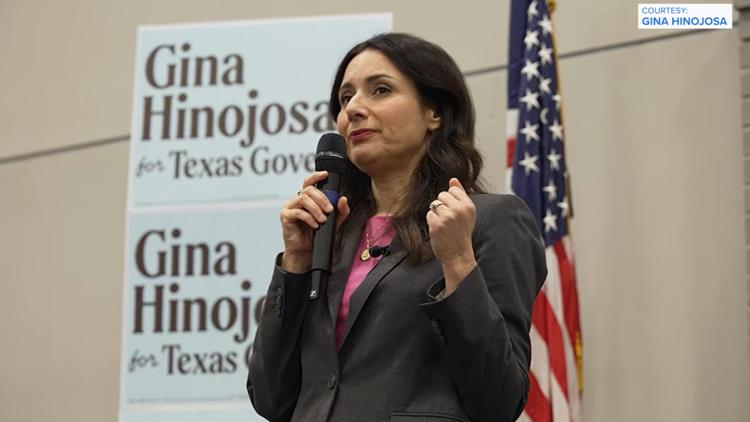
As the sun sets over the vibrant city of Irving, residents gather in local parks, discussing their dreams and aspirations for a brighter future. Among the topics buzzing in conversations is a recent proposal by Governor-elect Gina Hinojosa, which promises a potential $1,500 payment to Texans. This initiative has sparked both hope and curiosity, as many wonder what it will take for this plan to become a reality.
In a bold move, Governor-elect Gina Hinojosa has proposed a plan that could see Texans receiving $1,500 each, utilizing a substantial $17 billion from the state's rainy-day fund. This proposal is particularly intriguing as it comes amidst ongoing discussions about economic recovery and support for families across Texas. However, despite the excitement surrounding this initiative, there is currently no approved payment or distribution date, leaving many in a state of anticipation.
The rainy-day fund, which is designed to provide financial stability during economic downturns, has been a topic of debate among lawmakers and community leaders. Hinojosa's plan aims to leverage these funds to directly assist residents who have been impacted by recent economic challenges. The proposal has garnered attention not only for its potential financial relief but also for its implications on the state's fiscal policy moving forward.
The reaction from the Irving community has been a mix of optimism and skepticism. Many residents are excited about the prospect of receiving financial assistance, especially in light of rising living costs and inflation. Local business owner Maria Gonzalez expressed her hopes, stating, "This could really help families like mine who are struggling to make ends meet. Every little bit counts, and $1,500 could make a significant difference in our lives."
On the other hand, some residents are cautious about the feasibility of Hinojosa's proposal. Jim Thompson, a retired educator and long-time Irving resident, shared his concerns: "While I appreciate the intention behind this plan, I worry about how it will be funded in the long term. We need to ensure that this isn't just a temporary fix but a sustainable solution for our families."
This sentiment is echoed by many who believe that while immediate financial relief is necessary, it must be balanced with responsible fiscal management. Local leaders are urging Hinojosa to provide clarity on how the state plans to ensure that the rainy-day fund remains intact for future needs, especially as Texas continues to grow and evolve.
The Texas rainy-day fund, officially known as the Economic Stabilization Fund, was established to provide a financial cushion during economic downturns. Funded primarily through oil and gas revenues, it serves as a crucial resource for the state during times of need. The current balance of the fund is approximately $17 billion, making it one of the largest reserves in the nation.
To access these funds for the proposed payments, Hinojosa's plan would require legislative approval. This means that lawmakers will need to come together to discuss the implications of such a distribution and how it aligns with the state's budgetary goals. Community members are encouraged to engage with their local representatives to express their support or concerns regarding this initiative.
The potential impact of Hinojosa's proposal on families and communities in Irving cannot be understated. For many, the $1,500 payment could provide much-needed relief, allowing families to invest in essentials such as groceries, healthcare, and education. Local nonprofit organizations, such as the Irving Cares, are already preparing to assist families in understanding how these funds could be utilized to improve their quality of life.
Moreover, the proposal highlights the importance of community engagement and dialogue. As residents discuss the potential benefits and challenges of the payment plan, it fosters a sense of unity and collective purpose. Community leaders are emphasizing the need for transparency and accountability in the distribution process, ensuring that the funds reach those who need them the most.
Irving, with its diverse population and thriving business environment, is a microcosm of the broader economic challenges facing Texas. The city has seen significant growth, yet many residents struggle with the high cost of living, particularly in housing and transportation. According to the U.S. Census Bureau, the median household income in Irving is approximately $75,000, but many families find it difficult to make ends meet, especially with rising inflation and stagnant wages.
In this context, Hinojosa's proposal could serve as a vital lifeline. For families like the Lopezes, who have three children and rely on dual incomes, the additional $1,500 could help cover childcare costs, school supplies, or even a much-needed family outing. Maria Lopez, a local mother, shared her thoughts: "Every bit helps. With school starting soon, the expenses pile up, and this could ease some of that burden."
As the conversation surrounding Hinojosa's proposal continues, many are left wondering what steps will follow. The governor-elect will need to work closely with lawmakers to draft a plan that outlines the distribution process and addresses any concerns regarding the rainy-day fund's sustainability. Community members are encouraged to stay informed and involved, as their voices will play a crucial role in shaping the future of this initiative.
In the coming months, residents can expect town hall meetings and discussions hosted by local organizations and government officials. These events will provide opportunities for residents to ask questions, share their thoughts, and learn more about how the proposed payments could impact their lives. The path forward will require collaboration and commitment from all stakeholders, but the potential benefits for families in Irving and across Texas are significant.
As we look ahead, it is essential to remember that the strength of our community lies in our ability to come together, support one another, and advocate for solutions that uplift families and promote stability. Hinojosa's proposal may just be the catalyst for meaningful change in our beloved state, one that reflects the values of hard work, commitment, and faith that define the spirit of Texas.
By Linda Harris
By Linda Harris

By Linda Harris

By Linda Harris